Soap & Lye Calculator
Build a soap recipe, get the exact lye and water — and instant soap‑quality predictions. Free, no signup.
1 · Lye & batch
2 · Water, superfat & fragrance
3 · Oils
Total: 100%Your recipe
Soap qualities
Fatty acid breakdown
⚠️ Always wear gloves & goggles when handling lye. Double‑check critical batches against a second source. Values are estimates.
From recipe to beautiful bar
Dial in your oils above, then make something gorgeous.
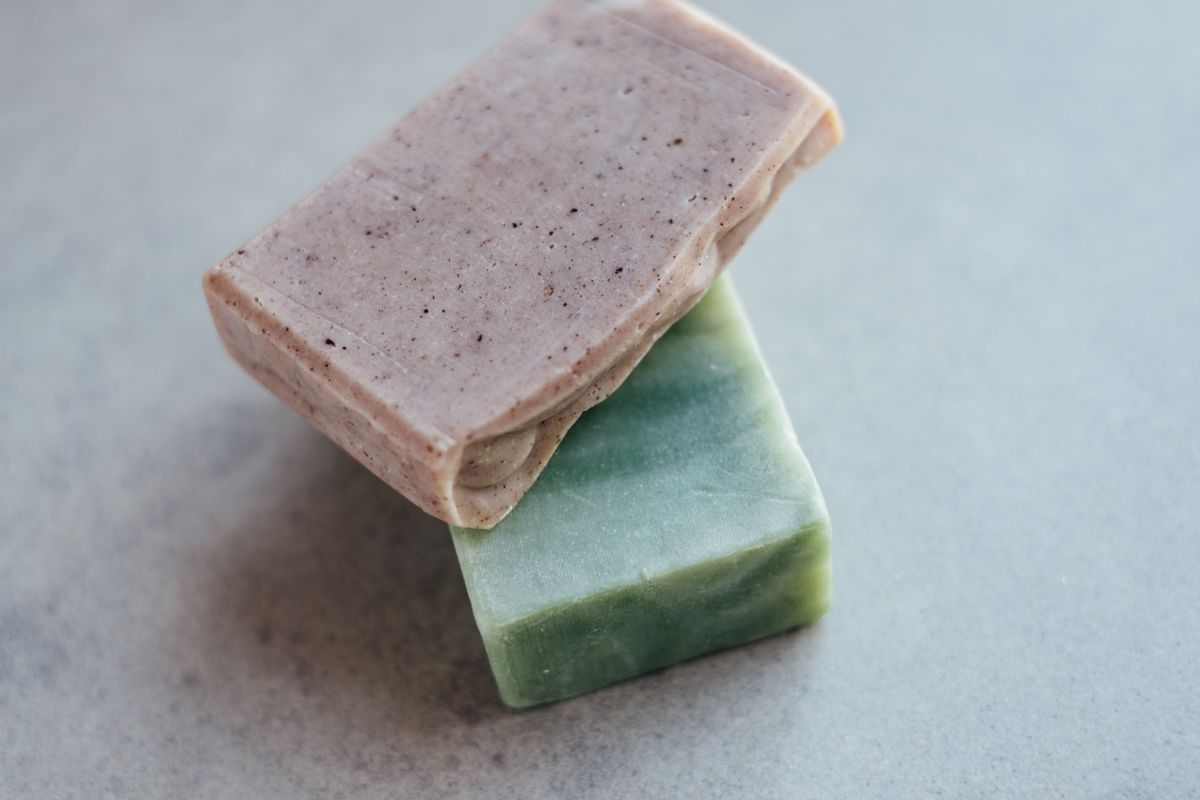
How to use the soap calculator
- Pick NaOH for bar soap (or KOH for liquid) and enter your total oil weight.
- Set your water method, superfat (5% is a safe default) and fragrance %.
- Add your oils and give each a percentage — aim for 100% total.
- Read off your lye and water amounts, and check the quality bars are in their green ranges.
Understanding soap qualities
The bars predict how your bar will behave, based on the fatty acids in your oils. A balanced recipe keeps each value inside its recommended range — high cleansing can be drying, while high conditioning can make a soft bar, so most soapers balance hard oils (coconut, palm) with soft oils (olive, sunflower) plus a little castor for bubbles.
⚠️ Lye safety
Lye (sodium or potassium hydroxide) is caustic. Always wear gloves and eye protection, add lye to water (never water to lye), work in a ventilated area, and keep it away from children and pets. This tool gives estimates — double‑check critical batches against a second source.
FAQ
How does a lye (saponification) calculator work?
Every oil has a saponification (SAP) value — the amount of lye needed to turn 1 gram of that oil into soap. The calculator multiplies each oil's weight by its SAP value, adds them up, then reduces the total by your superfat % so a little oil stays unsaponified for a gentler bar.
What is superfat (lye discount)?
Superfat is the percentage of oils left unsaponified (not turned into soap) to make the bar more moisturizing and ensure you never have excess lye. 5% is a common default; 1–8% is typical.
Which water method should I use?
“Water as % of oils” (around 38%) is the simplest and the classic default. “Lye concentration” and “water:lye ratio” give you finer control over how fast the soap sets up — advanced users prefer a 33% lye concentration.
What do the soap qualities mean?
They're predictions from your oils' fatty acids: Hardness (how firm the bar is), Cleansing (how much it strips oils), Conditioning (how moisturizing), Bubbly (big fluffy lather) and Creamy (stable, lotion-like lather). Each has a recommended range.
NaOH vs KOH?
NaOH (sodium hydroxide) makes solid bar soap. KOH (potassium hydroxide) makes soft/liquid soap. Switch the lye type and the calculator converts the amount automatically (KOH needs ~1.4× the lye).